






Urinary Incontinence: What Your Body May Be Telling You and What You Can Do About It
As a doctor, one of the most common things I want my patients to know about urinary incontinence is this:
“Urinary Incontinence is common but treatable.”
“So, you do not have to simply struggle with it.”
Many people hesitate to talk about urine leakage because they feel embarrassed or assume that it is simply a normal part of ageing. Some patients tell me, “Doctor, I thought this was something I just had to accept.”
It is not.
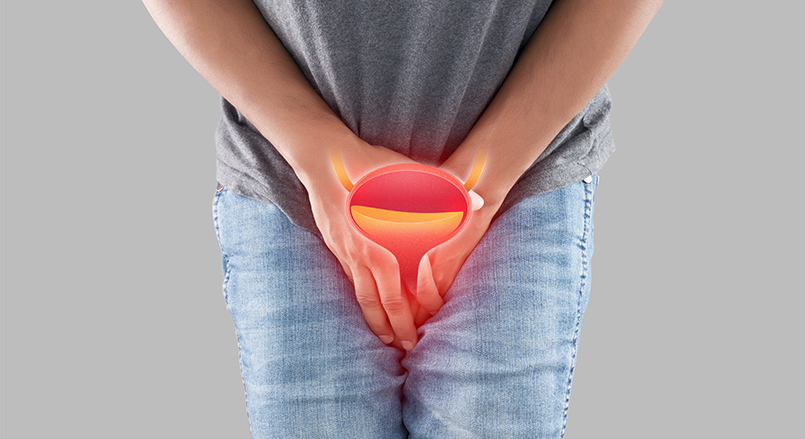
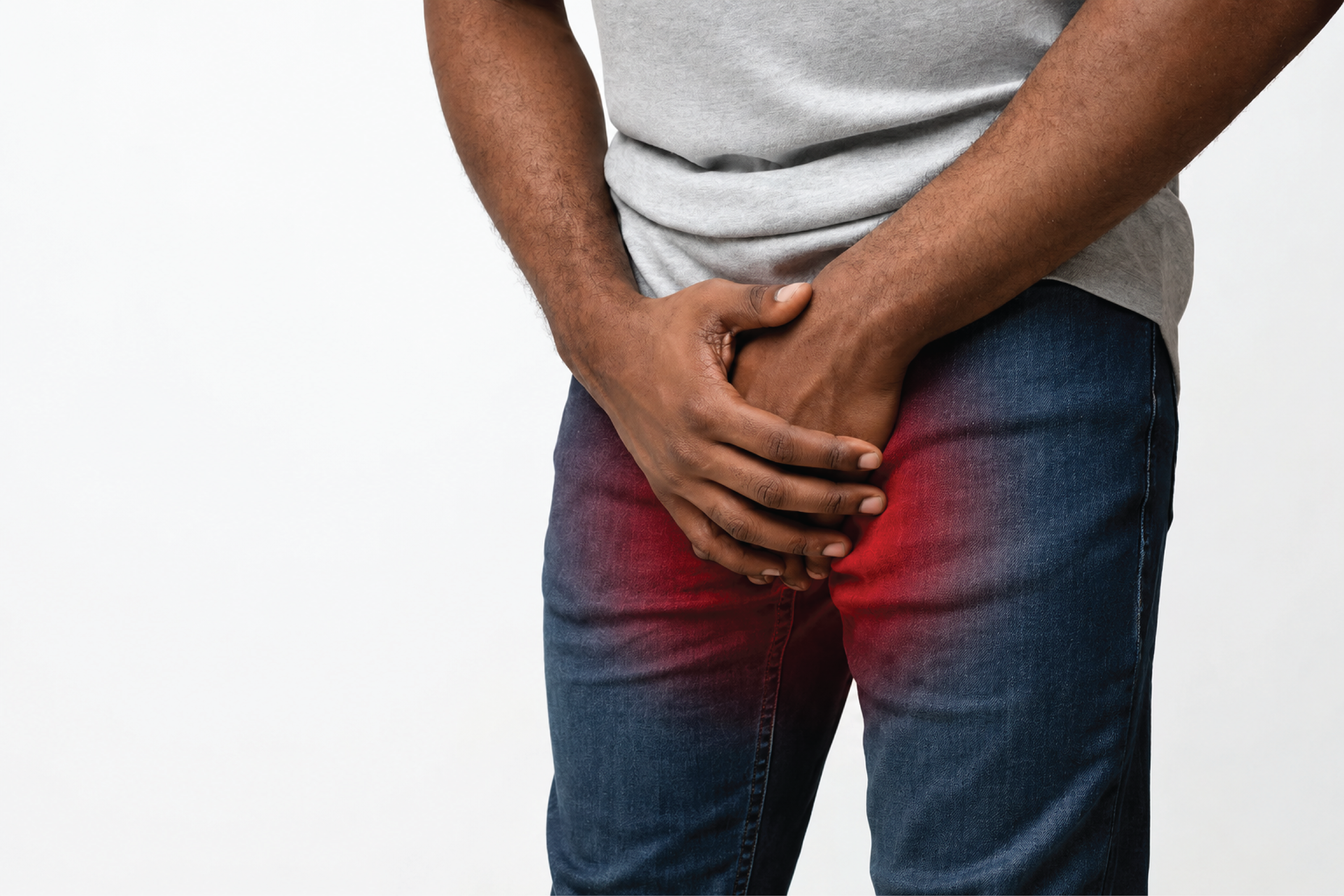
Urinary incontinence (UI) is the involuntary leakage of urine. It is a common medical condition that can affect people of different ages and genders. It may affect confidence, social activities, physical activity, relationships, and overall quality of life among people.
Most importantly, urinary incontinence can often be managed and treated, and the first step is simply talking about it.
How Common Is Urinary Incontinence?
Urinary incontinence is much more common than many people realize.
The prevalence varies considerably depending on the population studied and how urinary incontinence is defined and assessed. The UI has been reported in approximately 25–45% of adult women worldwide. Studies from India have reported prevalence ranging from 10–42%.1
Can You Identify the Type of Urinary Incontinence?
When a patient tells me they are experiencing urine leakage, one of the first things I try to understand is when and why the leakage happens.
Why Does Urinary Incontinence Happen?
When I assess someone with urinary leakage, I look at several possible contributing factors rather than assuming there is one single cause.
- Age
The likelihood of urinary incontinence tends to increase with age. As you age, bladder function, muscles, pelvic floor support, and other aspects of the urinary system start reducing their functionality. The Urological Society of India guideline highlights a progressive increase in UI prevalence with age. - Pregnancy and Childbirth
Pregnancy and childbirth can place additional stress on the pelvic floor and the structures that support bladder control. - Weight
Being overweight or obese can increase pressure on the bladder and pelvic floor and may contribute to urinary leakage. Weight reduction is therefore one of the lifestyle measures that may benefit people with UI. - Other Health Conditions
Urinary symptoms can also be influenced by other health conditions, medications, constipation, and factors affecting bladder or nerve function. This is why proper medical assessment is important.
Why Do People Sometimes Avoid Seeking Help?
One of the biggest problems with urinary incontinence is that many people suffer in silence. Approximately 40% of women attributed incontinence to a natural consequence of ageing. Social embarrassment was also reported as an important factor influencing whether people sought help.
Which Treatment Will You Opt for Urinary Incontinence?
- Pelvic Floor Exercises2
Pelvic floor muscle training can strengthen the muscles involved in bladder control. Pelvic floor muscle training as an initial treatment for women with urinary incontinence, and it can also help prevent and treat UI during pregnancy and after childbirth. - Lifestyle Changes
Small, sustainable changes can sometimes make a meaningful difference. The Significant measures such as caffeine moderation, appropriate fluid modification, treatment of constipation, weight reduction, and bladder training form part of conservative management. - Medical Treatment
For people experiencing urgency and overactive bladder symptoms, medication may sometimes be recommended. Several medication options suggested include antimuscarinic medicines and mirabegron for urgency urinary incontinence. The choice depends on your symptoms, medical history, other medications, and individual circumstances.
You Do Not Have to Live with It
If you have been quietly managing urinary leakage for months or even years, I want you to know:
You are not alone… So, talk to your doctor. Ask questions. Get assessed.
References
- Sinha S, Agarwal MM, Vasudeva P, et al. The Urological Society of India Guidelines for the Evaluation and Management of Nonneurogenic Urinary Incontinence in Adults (Executive Summary). Indian Journal of Urology. 2019;35(3):185–188. View the full article on PubMed Central
- Center for Urologic Care of Berks County. Kegel exercises [Internet]. Wyomissing (PA): Center for Urologic Care of Berks County; [cited 2026 Aug 13]. Available from: centerforurologiccare.com





Leave a comment